
Why Your Jaw Is the New Lower Back: The Rise of TMJ Pain in New York City
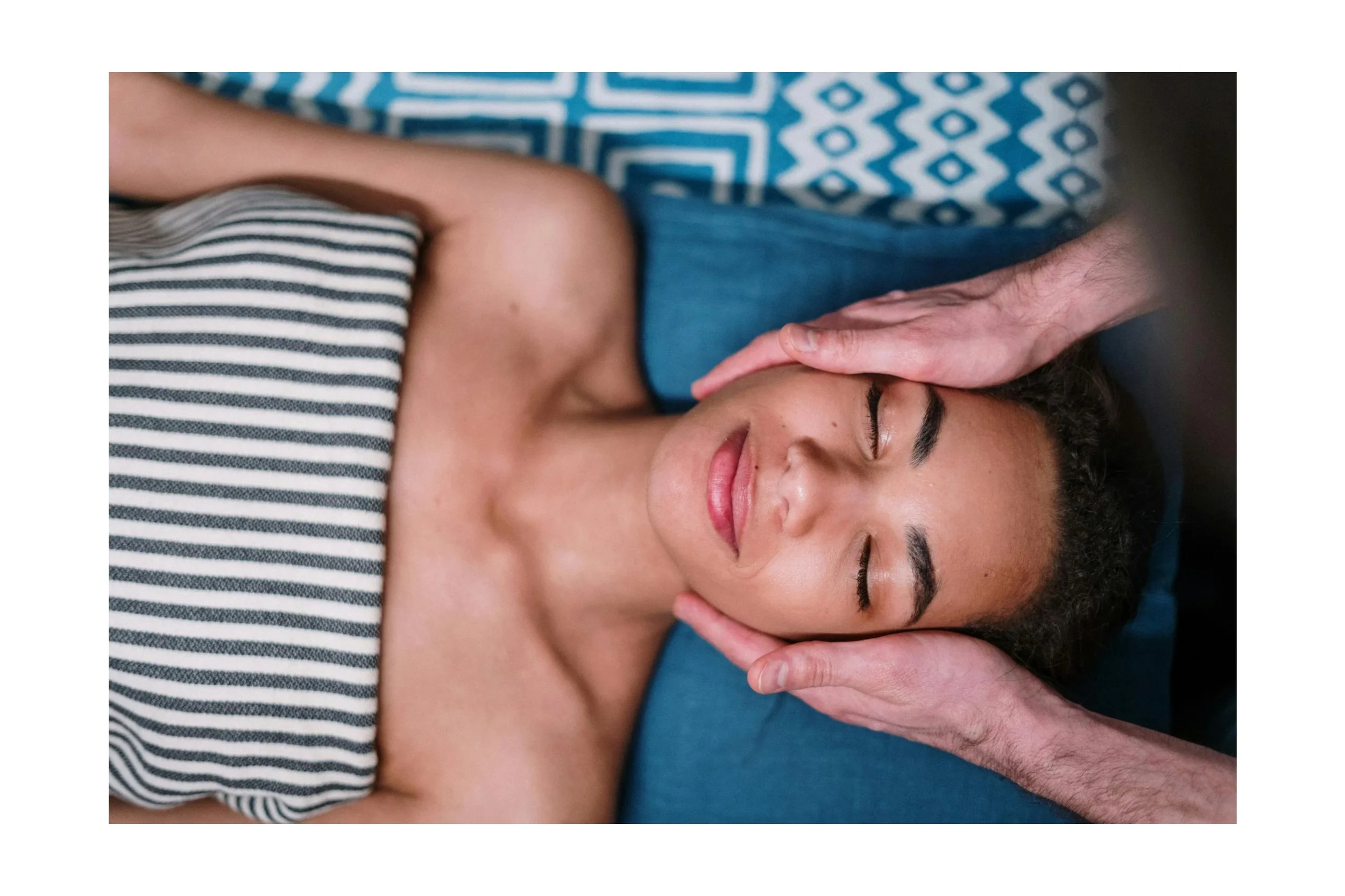
Relief from TMJ with PRESS Modern Massage (our sister company)
3/23/26
For decades, back pain, and especially lower back pain, was the universal symbol of modern stress. But lately, PRESS massage therapists are seeing a new trend: New Yorkers aren’t just carrying tension in their shoulders or spine — they’re carrying it in their jaws.
Jaw tightness. Clicking. Headaches that start behind the temples. Morning soreness you can’t explain. These are all signs of TMJ dysfunction — and in New York City, jaw soreness is on the rise.
The Anatomy of a Modern Problem (TMJ)
Did you know - the temporomandibular joint (TMJ) connects your jaw to your skull, allowing you to talk, chew, and even yawn? It’s a delicate hinge balanced by tiny muscles, tendons, and nerves.
But when life gets stressful — or screens take over your day — that balance collapses.
Between chronic clenching of your jaw, poor phone posture, and unconscious tension, your jaw becomes the new holding tank for anxiety (instead of your back).
At PRESS Modern Massage, our therapists see it constantly: clients who think they have migraines, neck stiffness, or dental pain, when the real culprit is muscular tension around the jaw (otherwise known as TMJ).
Why New Yorkers Are Clenching More Than Ever
TMJ issues aren’t new — but the triggers have multiplied.
In a city where every hour feels like a sprint, stress has nowhere to go, except to the head. So the body stores it in the smallest, strongest place it can: the jaw.
Here’s what’s driving the TMJ surge:
Screen fatigue: Looking down at devices strains the neck and shortens the muscles connecting the jaw and your shoulders.
Chronic stress: Clenching the jaw is often an unconscious reaction to anxiety — your body’s quiet way of bracing for impact.
Nighttime tension: Many people grind their teeth in sleep without realizing it, tightening the jaw for hours.
Postural imbalance: Tech neck (like tilting your head at the computer), poor ergonomics, and even shallow breathing patterns all feed tension upward into the face and jaw, causing TMJ
The result? A full-body chain reaction that starts small — and spreads fast. All from a pronunciation of the temporomandibular joint.
How TMJ Pain Feels (and Why It’s Misunderstood)
TMJ pain doesn’t always stay localized. Because the muscles involved connect to the neck, head, and shoulders, symptoms can mimic other conditions, as you can see below.
You might notice:
Aching in your jaw, cheeks, or around the ears
Clicking or popping when opening your mouth
Headaches or migraines that don’t seem to fade
Stiffness in your neck or upper back
Difficulty fully relaxing your face
Many massage clients don’t realize the connection to TMJ until a massage therapist gently works the area…and the tension in their jaw and neck begins to unwind.
How Massage Helps with TMJ and Jaw Pain
TMJ pain is both muscular and neurological. Massage addresses both types of pain.
At PRESS Modern Massage, our Licensed Massage Therapists use precise, evidence-based techniques to ease tension in the muscles responsible for clenching — including the masseter, temporalis, and pterygoid groups — while calming the nervous system that keeps them overactive.
Here’s what that looks like in practice in a massage:
Targeted jaw and facial work to soften overworked muscles
Neck and shoulder massage to reduce upward strain in the jaw
Nervous system regulation to interrupt the stress-clenching feedback loop
Guided breathwork to restore balance between your face, neck, and diaphragm
This holistic approach helps your body stop “guarding,” so function — and ease — can return naturally as a result of your massage.
Clients often describe the result as clarity — less pressure in the face, looser shoulders, and calmer breathing to face the day.
The PRESS MASSAGE Difference
Our approach goes beyond symptom relief. Every therapist at PRESS Modern Massage is trained to see the whole picture: how posture, stress, sleep, and screen time intersect and to provide relief to you.
Whether you’re a Williamsburg creative grinding through deadlines or a Greenpoint parent juggling too much at once, our job as PRESS is to help your body find neutrality again.
We focus on gentle precision in our massage — not pain — and create a calm, modern environment where your nervous system can finally downshift.
Because jaw pain isn’t just about muscles. It’s about a body that’s been in defense mode for too long… and we are here to bring relief!
What You Can Do Between Sessions for TMJ
Small habits make a big difference in keeping your jaw tension away:
Check your posture. Keep screens at eye level and shoulders relaxed.
Notice your clench. Keep lips together, teeth apart — a dentist’s favorite mantra.
Stretch your face. Gentle yawning motions and slow side-to-side movement can help.
Mind your stress. Take brief breathing breaks throughout the day to lower muscle tension globally.
Book consistent massages. Regular sessions retrain your body to stay calm, even under pressure.
The Takeaway
Your jaw is the new lower back — a modern stress barometer for modern life. But it doesn’t have to stay that way! Massage offers both immediate relief and long-term change for TMJ, helping your body unlearn its tension patterns.
At PRESS Modern Massage, we help New Yorkers unwind jaw pain, ease stress, and restore calm through intelligent, therapeutic bodywork.
Because in a city this intense, your jaw deserves a break, too 😉
